
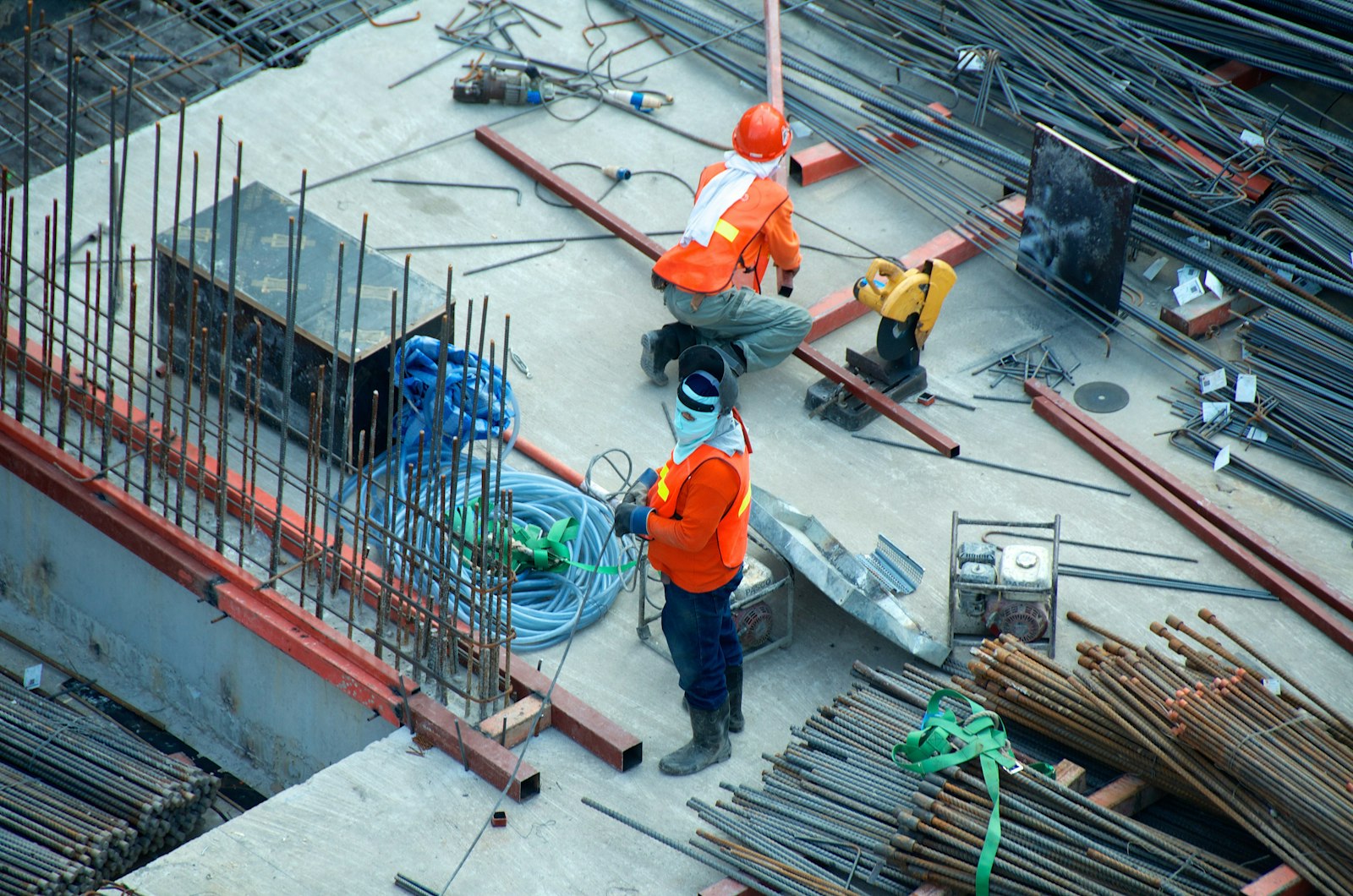
Quality, health, safety, and environment on a Beckman Construction site are a written plan, not a poster. Hazards, access, responsibilities, and how people are told about a change are settled before field work starts, then reviewed when the phase changes.
01
Before mobilization
The plan names the hazards on that site: access, overhead work, occupied rooms, deliveries, existing services, and anything the building already contains.
It also names who may stop work. A plan nobody owns is not a plan.
- Site-specific hazards
- Access and deliveries
- Occupied areas
- Stop-work authority
02
During construction
Demolition, structure, and finishes do not share the same risks. The plan is updated when the phase or the site changes, and the people still in the building are told what changes for them the next morning.
An incident, a near miss, or a condition that was not in the plan is recorded on the project file the same day.
- Phase-by-phase update
- Notice to occupants
- Same-day record
03
Environment on the site
Dust, noise, waste, and protection of adjacent areas are part of the same plan. They are agreed before the first noisy day, especially when a home, office, or facility stays in use.
How a job actually moves
-
01
Walk the site
Record access, occupancy, and what the building already contains.
-
02
Write the plan
Hazards, deliveries, and who stops work.
-
03
Brief the crew
The plan is explained before the first task, not left in a folder.
-
04
Revise with the phase
A new phase gets a new look at risk before it starts.
What the plan covers
Each item is specific to the site. A generic checklist is not accepted as the plan.
| Topic | Decided before the crew starts | Reviewed when |
|---|---|---|
| Access | Doors, routes, and deliveries | The route changes |
| Occupancy | Who stays, and which rooms | Each phase |
| Work at height | Where, and the protection | Before that task |
| Dust and noise | Limits and the hours | Before demolition |
Straight answers
Do you start without a written safety plan?
No. Field work waits until hazards, access, and stop-work authority are written for that site.
Who can stop the work?
The person named on the plan. Crews are told that name before the first task.
What if the building is occupied?
The plan names the rooms that stay in use and how occupants are told when the day’s route or noise changes.
Send this with the first note
The office replies within one business day. A reply is not a contract. Work starts when you accept the written scope.